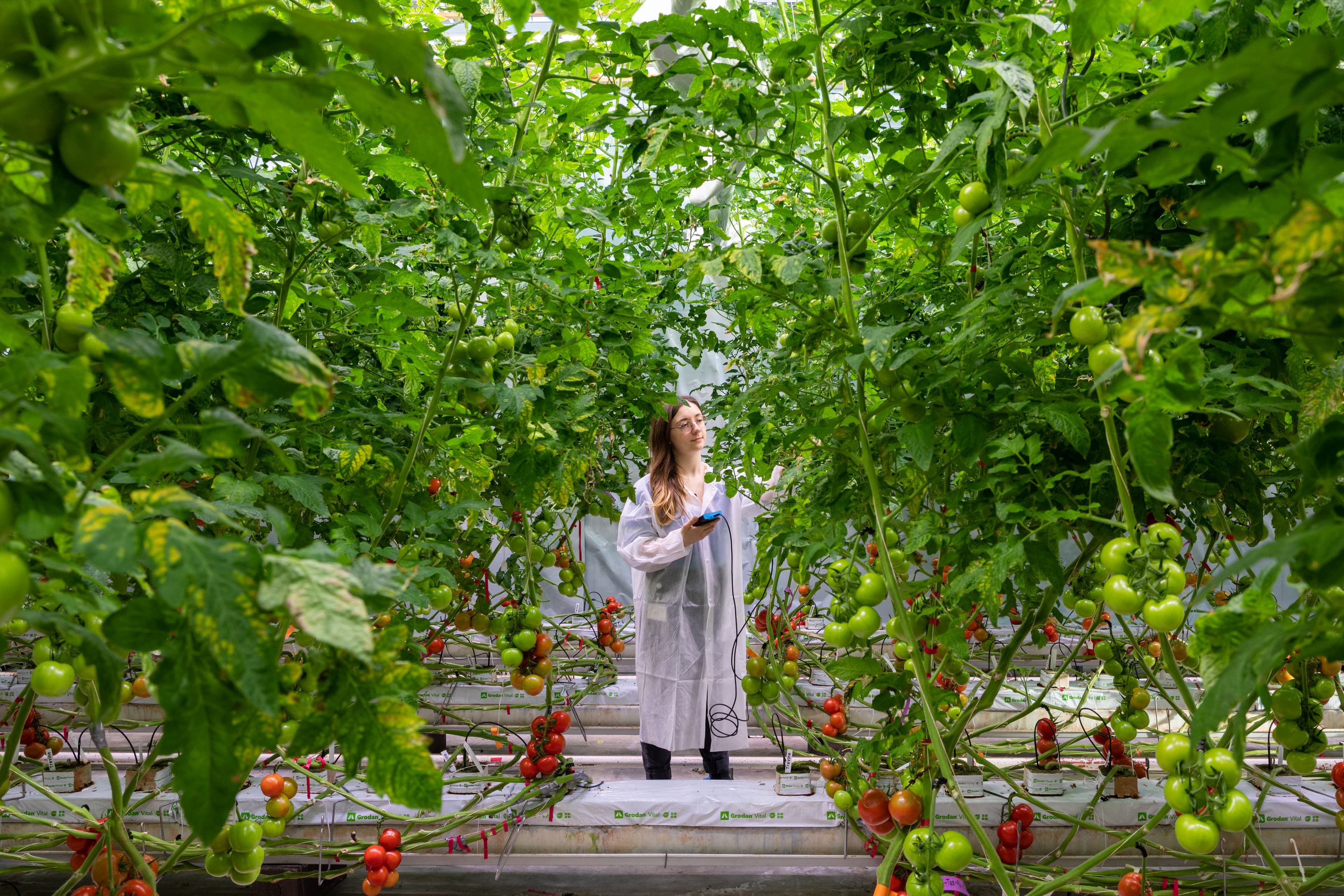
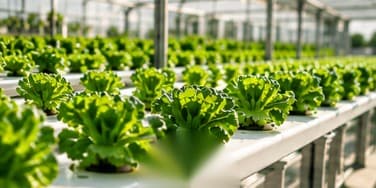
Vertical farming is entering a new phase in which crop biology must evolve alongside production technology. This feature explores why future vertical farms may depend not only on better lighting, automation and climate control, but also on plants specifically designed for controlled-environment production.
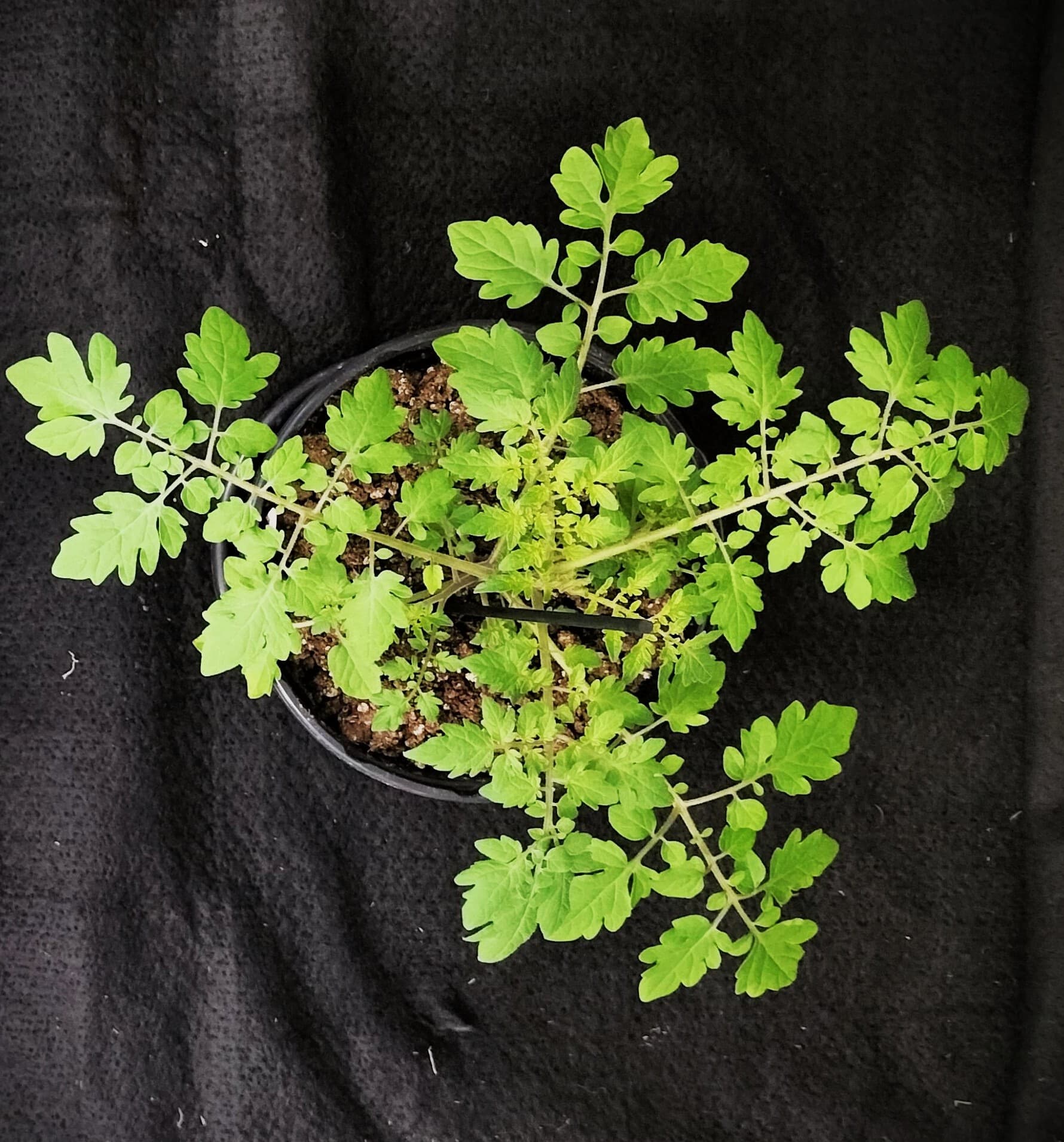
Wild tomato relatives contain valuable genetic diversity that could help cultivated tomatoes withstand increasing drought and salinity stress. Sofia Spormann explores how these genetic resources can contribute to more resilient breeding strategies and future production systems.
Can far-red light become a practical tool for improving tomato production? Elena Vincenzi examines how far-red application influences crop development and performance and its potential role in modern controlled-environment horticulture.
Functional–Structural Plant Modelling combines plant architecture, physiology and the growing environment within virtual plant systems. This feature explores how FSPM can help researchers understand plant performance and support the development of more efficient horticultural production strategies.
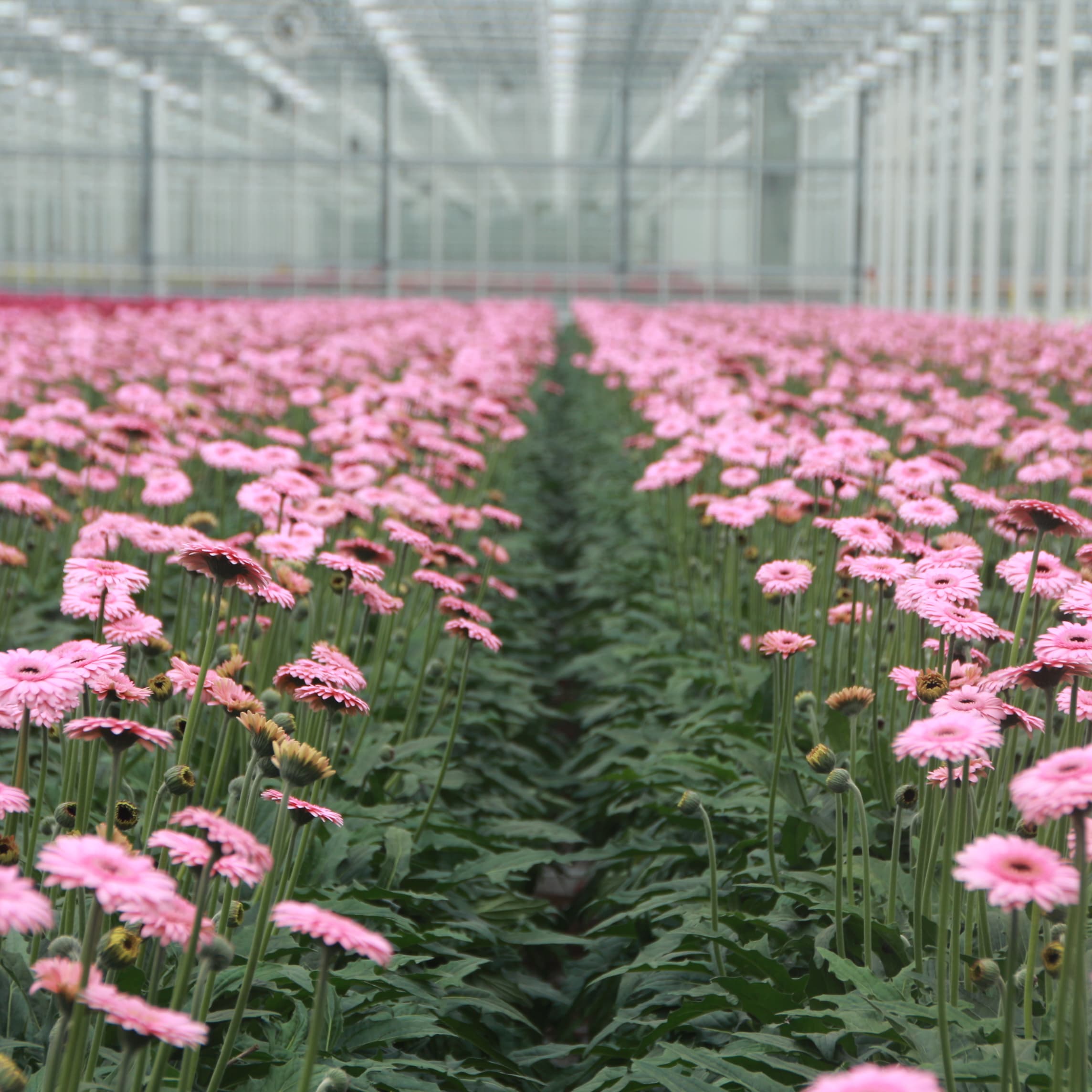
Dry flower technology offers new opportunities to extend the value, usability and market life of ornamental crops. Priya Ayyaswamy explores processing approaches, applications and the potential of dried floral products within a changing floriculture market.
New genomic tools are expanding the possibilities for crop improvement, diagnostics and data-driven breeding. This industry feature explores emerging applications and the role of genomics platforms in modern horticultural research.
Controlled-environment and vertical farming systems are opening new possibilities for the production of medicinal crops. Marisa Lourenço examines the opportunities, production requirements and scientific questions surrounding this emerging area.
What does it take to build a career in modern horticultural science? This feature explores postgraduate study, international research environments and the pathways available to students and early-career scientists considering opportunities at leading universities and research institutions.
Crop simulation models can help researchers understand how plants respond to changing environments and management strategies. This article explores the potential of WOFOST and crop modelling approaches for horticultural research and production planning.
New breeding techniques are reshaping discussions around crop improvement in Europe. Surakshitha, Martina and collaborators examine the scientific opportunities and wider considerations surrounding these technologies for horticultural crops.
Vertical farming is entering a new phase in which crop biology must evolve alongside production technology. This feature explores why future vertical farms may depend not only on better lighting, automation and climate control, but also on plants specifically designed for controlled-environment production.
Wild tomato relatives contain valuable genetic diversity that could help cultivated tomatoes withstand increasing drought and salinity stress. Sofia Spormann explores how these genetic resources can contribute to more resilient breeding strategies and future production systems.
Can far-red light become a practical tool for improving tomato production? Elena Vincenzi examines how far-red application influences crop development and performance and its potential role in modern controlled-environment horticulture.
Functional–Structural Plant Modelling combines plant architecture, physiology and the growing environment within virtual plant systems. This feature explores how FSPM can help researchers understand plant performance and support the development of more efficient horticultural production strategies.
Dry flower technology offers new opportunities to extend the value, usability and market life of ornamental crops. Priya Ayyaswamy explores processing approaches, applications and the potential of dried floral products within a changing floriculture market.
Discover global voices, emerging research, researcher stories, technological innovation and perspectives from across the horticultural community in the inaugural issue of HortiWorld.